


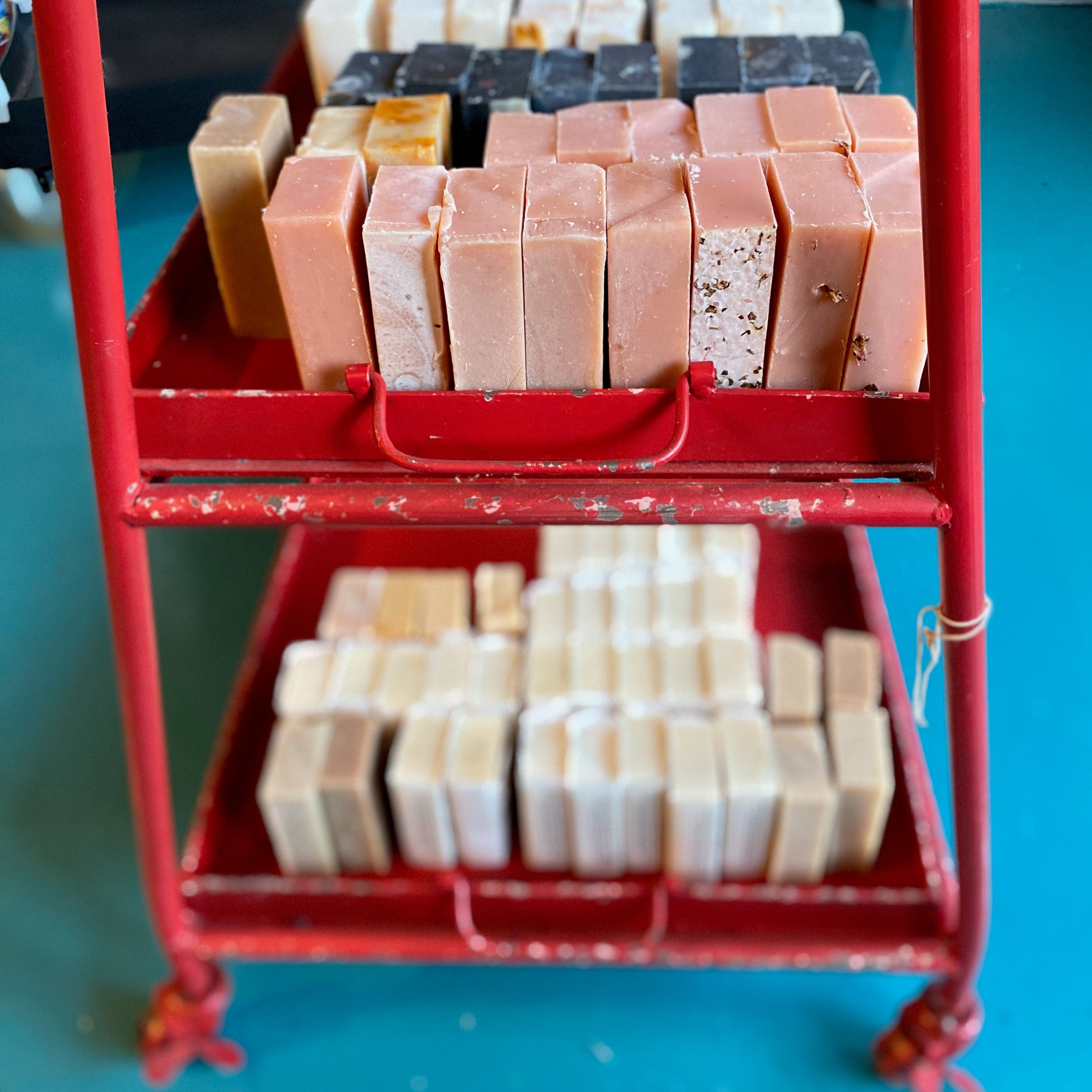

Our cold process soap collection is for people who care about how things are made. Not just what’s in the ingredients list, but the method - the pace, the patience, the human hands behind it. Cold process soap is the old-fashioned way of soapmaking, and it’s the foundation of Camamu. Every bar we create starts here: oils warmed gently, botanicals prepared, essential oils blended like seasoning, and a slow cure that transforms a fresh pour into a milder, creamier bar over time.


This isn’t fast soap. It isn’t factory soap. It’s cold processed soap made the way you’d make something good in the kitchen - present with every step, letting time do what time does best.
What Makes Cold Process Soap Different
Cold process soapmaking is a traditional technique where oils and alkali are combined and poured without high heat, allowing the soap to develop slowly as it cures. That slower curing process is part of what gives cold process soaps their signature feel: a creamy lather, a balanced cleanse, and a bar that tends to feel gentle and comfortable in daily use.
Because we’re not rushing the process, we can also build more nuance into each bar. Some cold process soaps are made for extra moisture, some are made with clays for slip, some are infused with herbs and botanicals for texture and character. The method gives us flexibility—and it gives you a collection where each bar feels distinct.
Cold Process Soap as a Canvas for Ingredients
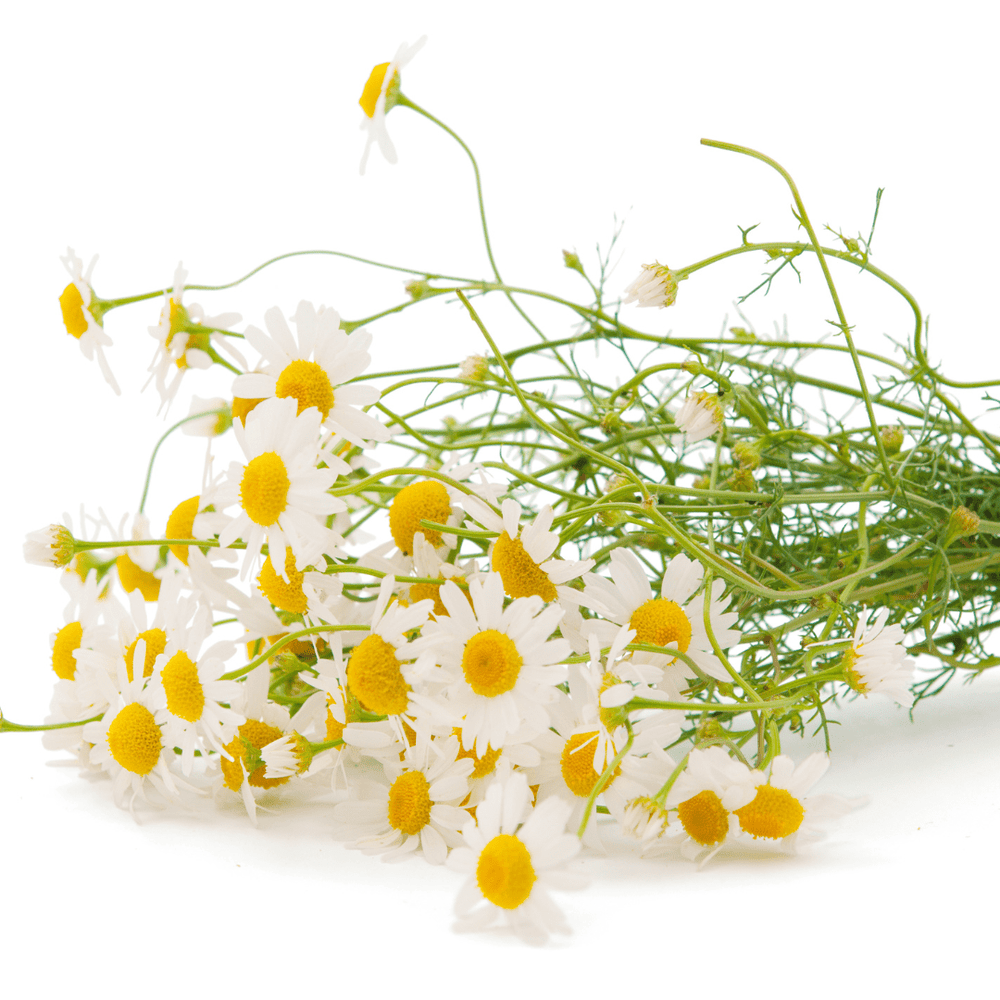
In our studio, cold process soap is more than a technique—it’s a canvas. We work with nutrient-rich, cold-pressed oils like Aavocado, Ccastor, and Rrice Bbran oil to create lather that feels creamy rather than stripping. We use clays, activated charcoals, herbs, and flowers to shape each bar’s personality—its scent, its color, its mood, and the way it feels in your hands.
You’ll notice it when you use a bar: the way it warms, the way it softens with water, the way the lather builds slowly and rinses clean. A well-made cold process soap doesn’t just wash—it creates an experience.
Small-Batch Cold Process Soaps, Made by Hand
Every batch of cold processed soap is poured in small quantities so we can stay close to the process. We measure and warm the oils, prep the botanicals, blend essential oils carefully, and then watch the soap batter change—thickening, shifting, becoming something entirely new. Once poured, the soap rests, then cures, becoming firmer and milder as it matures.
When it’s ready, we cut it into bars and wrap each one by hand. It’s slow work. Patient work. But it’s also the reason our cold process soaps feel so different from mass-produced bars. Real hands made them, and the result has a warmth you can feel.
Cold Pressed Soap vs. Cold Process Soap
You may see terms like cold pressed soap or cold press soap used in the soap world. While “cold pressed” often refers to how an oil is extracted, cold process refers to how the soap itself is made. At Camamu, we use both ideas: cold-pressed oils for their quality and richness, and the cold process method for its gentleness, longevity, and beautiful lather.
The combination is what gives our bars their signature feel—simple, substantial, and satisfying in the most everyday way.
A Ritual That’s Been Refined for Over 25 Years
Camamu was founded in 1999 in Portland, Oregon as a small soap studio, and cold process soapmaking has remained at the core ever since. We’ve spent decades refining our formulas, listening to customers, and making small adjustments that add up to something you can trust. Our bars are made to be used daily, to live by the sink or in the shower, and to turn a routine into a small moment of care.
If you’re drawn to cold process soap, you’re likely drawn to the idea that how something is made matters. We feel the same way. That’s why we keep making cold process soaps the slow way—because the results are worth the wait.
This isn’t fast soap. It isn’t factory soap. It’s cold processed soap made the way you’d make something good in the kitchen - present with every step, letting time do what time does best.
What Makes Cold Process Soap Different
Cold process soapmaking is a traditional technique where oils and alkali are combined and poured without high heat, allowing the soap to develop slowly as it cures. That slower curing process is part of what gives cold process soaps their signature feel: a creamy lather, a balanced cleanse, and a bar that tends to feel gentle and comfortable in daily use.
Because we’re not rushing the process, we can also build more nuance into each bar. Some cold process soaps are made for extra moisture, some are made with clays for slip, some are infused with herbs and botanicals for texture and character. The method gives us flexibility—and it gives you a collection where each bar feels distinct.
Cold Process Soap as a Canvas for Ingredients
In our studio, cold process soap is more than a technique—it’s a canvas. We work with nutrient-rich, cold-pressed oils like Aavocado, Ccastor, and Rrice Bbran oil to create lather that feels creamy rather than stripping. We use clays, activated charcoals, herbs, and flowers to shape each bar’s personality—its scent, its color, its mood, and the way it feels in your hands.
You’ll notice it when you use a bar: the way it warms, the way it softens with water, the way the lather builds slowly and rinses clean. A well-made cold process soap doesn’t just wash—it creates an experience.
Small-Batch Cold Process Soaps, Made by Hand
Every batch of cold processed soap is poured in small quantities so we can stay close to the process. We measure and warm the oils, prep the botanicals, blend essential oils carefully, and then watch the soap batter change—thickening, shifting, becoming something entirely new. Once poured, the soap rests, then cures, becoming firmer and milder as it matures.
When it’s ready, we cut it into bars and wrap each one by hand. It’s slow work. Patient work. But it’s also the reason our cold process soaps feel so different from mass-produced bars. Real hands made them, and the result has a warmth you can feel.
Cold Pressed Soap vs. Cold Process Soap
You may see terms like cold pressed soap or cold press soap used in the soap world. While “cold pressed” often refers to how an oil is extracted, cold process refers to how the soap itself is made. At Camamu, we use both ideas: cold-pressed oils for their quality and richness, and the cold process method for its gentleness, longevity, and beautiful lather.
The combination is what gives our bars their signature feel—simple, substantial, and satisfying in the most everyday way.
A Ritual That’s Been Refined for Over 25 Years
Camamu was founded in 1999 in Portland, Oregon as a small soap studio, and cold process soapmaking has remained at the core ever since. We’ve spent decades refining our formulas, listening to customers, and making small adjustments that add up to something you can trust. Our bars are made to be used daily, to live by the sink or in the shower, and to turn a routine into a small moment of care.
If you’re drawn to cold process soap, you’re likely drawn to the idea that how something is made matters. We feel the same way. That’s why we keep making cold process soaps the slow way—because the results are worth the wait.
Frequently Asked Questions
What is cold-process soap and why does it matter?
Cold-process soap is made by combining oils and an alkali (lye) at low temperatures - "cold" in the sense that no external heat is applied once the saponification reaction begins. This slower, more patient method keeps the oils close to their natural state, which matters because it helps create a richer, more comfortable skin feel. It also means the natural glycerin produced during saponification stays in the bar rather than being extracted (as it often is in commercial soap manufacturing). That retained glycerin is a big part of why cold-process soap feels so different on your skin.
Does cold-process soap still contain lye?
Finished cold-process soap contains no lye. This is one of the most common misconceptions about handmade soap. Lye is used as part of the chemical reaction that turns oils into soap (it's a necessary part of the process) but when the saponification is complete. It takes about 48hrs for a bar to cure, by that time all lye is completely gone, saponified. What you're left with is a combination of saponified oils and glycerin: gentle, skin softening, and completely safe.
How long do cold-process soaps need to cure, and why does it matter?
Cold-process soaps need to cure for a minimum of four weeks - and our bars cure even longer before they go out the door. During the cure, excess water evaporates, the bar hardens, and the lather becomes creamier and milder. A fully cured bar performs better, lasts longer, and feels smoother and more comfortable on the skin. It's genuinely slow work (patient work), and that patience is part of what makes the final bar worth waiting for.
Why do cold-process soaps sometimes look different from bar to bar?
Because they're made by hand, in small batches, with natural ingredients that are alive in their own way. Temperature, humidity, the particular character of a batch of botanicals - all of these things influence how a bar sets, swirls, and surfaces. No two bars are perfectly identical, and that's by nature rather than by accident. The variation is the signature of something genuinely handmade.
Are cold-process soaps better for the environment than commercial soap?
In most meaningful ways, yes. Cold-process soap is made from biodegradable plant-based ingredients, uses no synthetic detergents or petroleum-derived additives, and doesn't require industrial-scale processing to produce. Ours are wrapped in biodegradable paper rather than plastic, and because bar soap is far more concentrated than liquid alternatives, less product per wash means less total material consumed. The whole life cycle - from ingredient to drain - is a cleaner story.